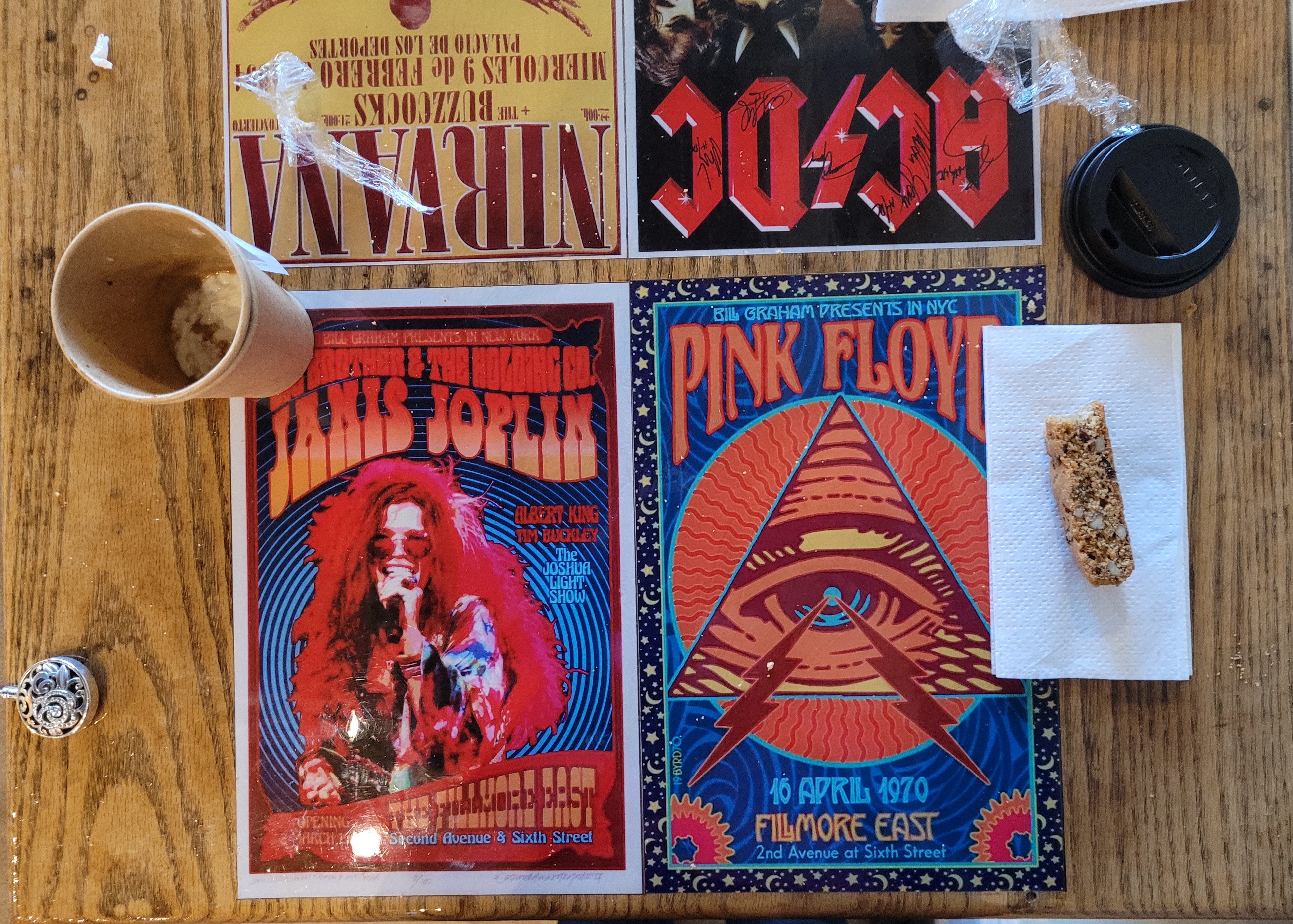
If you follow my blog (ha-ha), you’ll know that I have a laser focus on the late Syd Barrett, formerly of Pink Floyd. When I sat down to enjoy my espresso con panna and biscotti at Caffe Amouri, I found this poster for a Pink Floyd concert at Fillmore East, post-Syd but pre-Dark Side of the Moon. What a coincidence.
Roger Keith “Syd” Barrett is one of the most renowned casualties of Rock ‘n’ Roll. At the cusp of stardom with Pink Floyd in 1967, he had a major breakdown. He was 21 years old. His behavior became erratic (to say the least) and he left Pink Floyd or was dismissed.
Syd Barrett in May 1967, before his collapse.
Syd’s mental collapse continues to be a source of speculation and fascination 54 years later and 15 years after his death at age 60 in 2006. Was it the onset of schizophrenia? Was it autism, as suggested in The Interesting Case of Syd Barrett? Was it LSD, or the more dangerous DOM, as suggested by Men on the Border? Was it temporal lobe damage, as suggested in Julian Palacios’ biography Syd Barrett & Pink Floyd: Dark Globe? Or was it just the sixties, man? Our interest in Syd’s mental collapse isn’t merely voyeuristic, it’s also about making sense about what happened.
Rob Chapman de-emphasizes Syd’s drug use, which makes it harder to make sense of what happened to Syd. Syd’s gifts at songwriting left him. His singing left him. His guitar playing left him. His mental health left him. I wept as I read about Syd’s deterioration.
But Chapman makes an interesting point: A rock star’s peak creativity lasts for a very short while: after that, he or she becomes redundant. And being redundant was Syd’s major fear.
Syd Barrett is one of the most renowned casualties of Rock ‘n’ Roll. He was a co-founder of Pink Floyd, but contributed in a major way only to Pink Floyd’s debut album Piper at the Gates of Dawn.
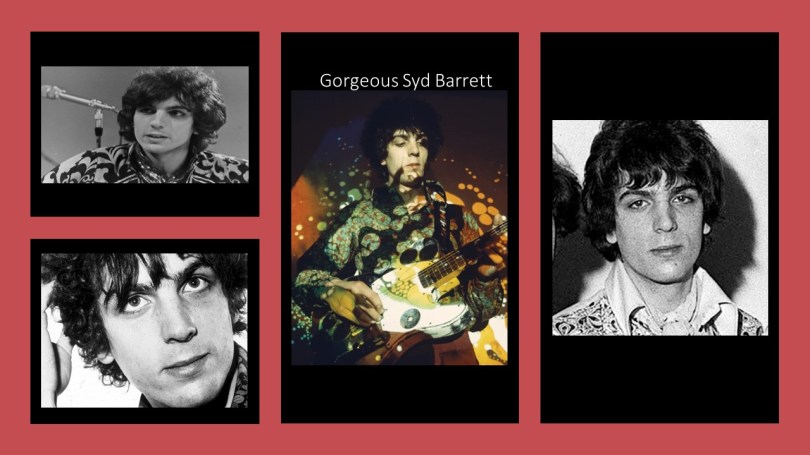
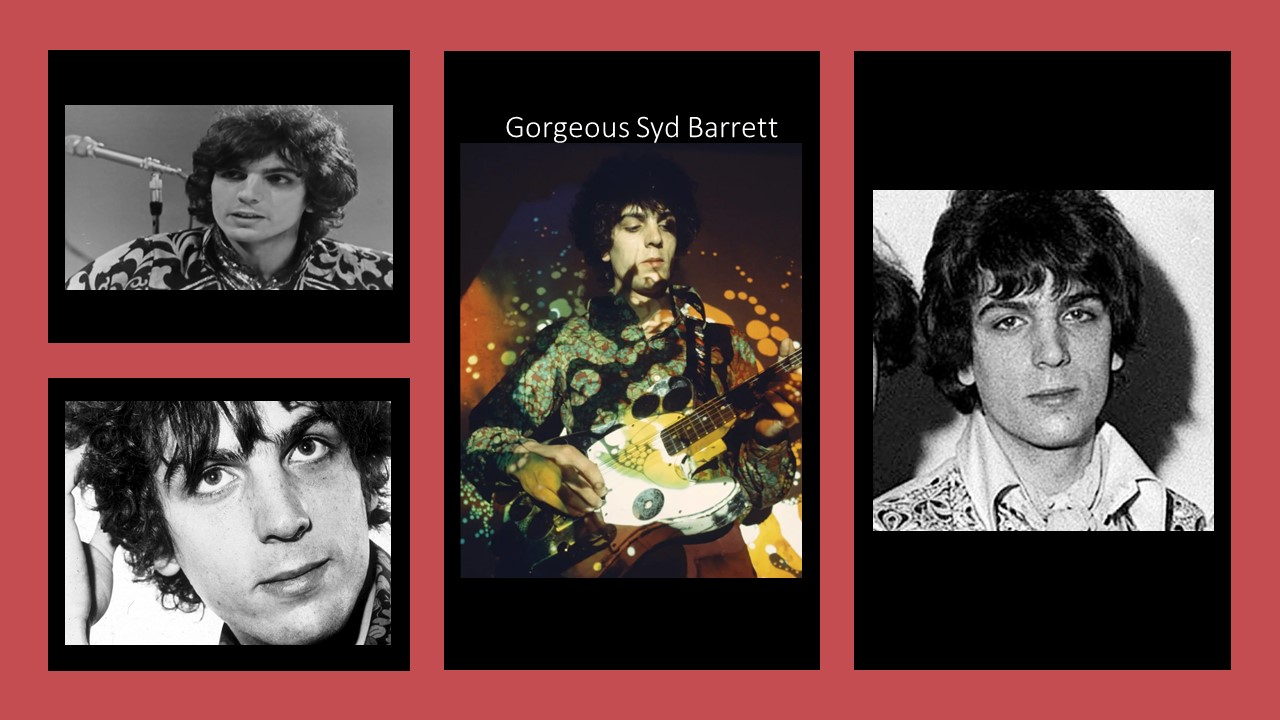
Syd Barrett was really handsome. Smoldering, or could it be the kajal that he wore? Even after over 50 years, his looks could melt. 🥰
Gorgeous Syd Barrett
At the cusp of stardom, Syd Barrett had a major breakdown. He dropped copious amounts of acid (LSD), and reportedly, his hangers-on spiked his coffee with acid. He might have also had schizophrenia, although he was never diagnosed as schizophrenic. His sister Rosemary claimed that he wasn’t schizophrenic, but the behaviors that other Pink Floyd members observed were consonant with schizophrenia. Among other things, Syd often had catatonic episodes.
When Pink Floyd “made it,” Syd Barrett was about 21 years old. Schizophrenia often manifests itself in early adulthood. His erratic behavior led to his dismissal from Pink Floyd.
Syd Barrett left London for good, and walked 50 miles to his mother’s home in Cambridge. A counselor friend told me that his walk might indicate that he had bipolar disorder: he might have made the walk during a manic episode. I wonder if he was trying to salvage what remained of him. 🤔 He died at age 60 in 2006.
Syd Barrett playlist: music and commentary
The playlist includes both music and commentary. Highlights include:
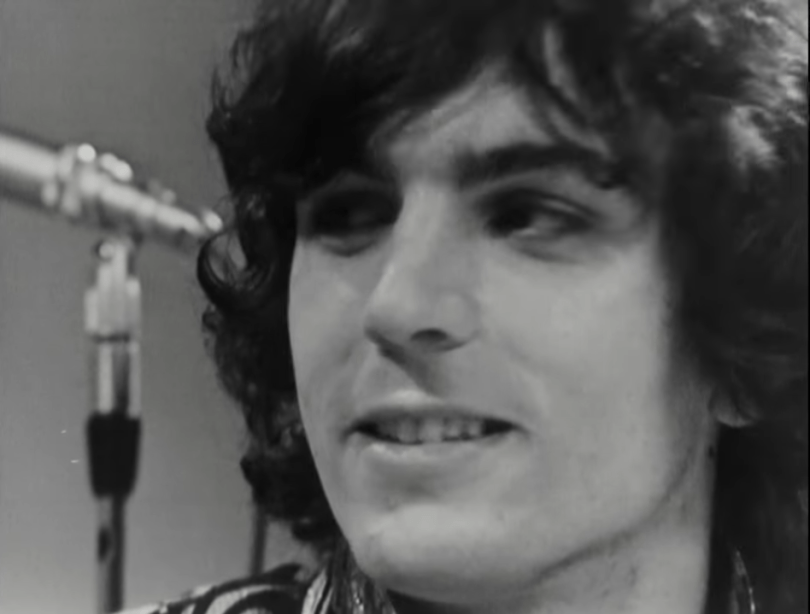
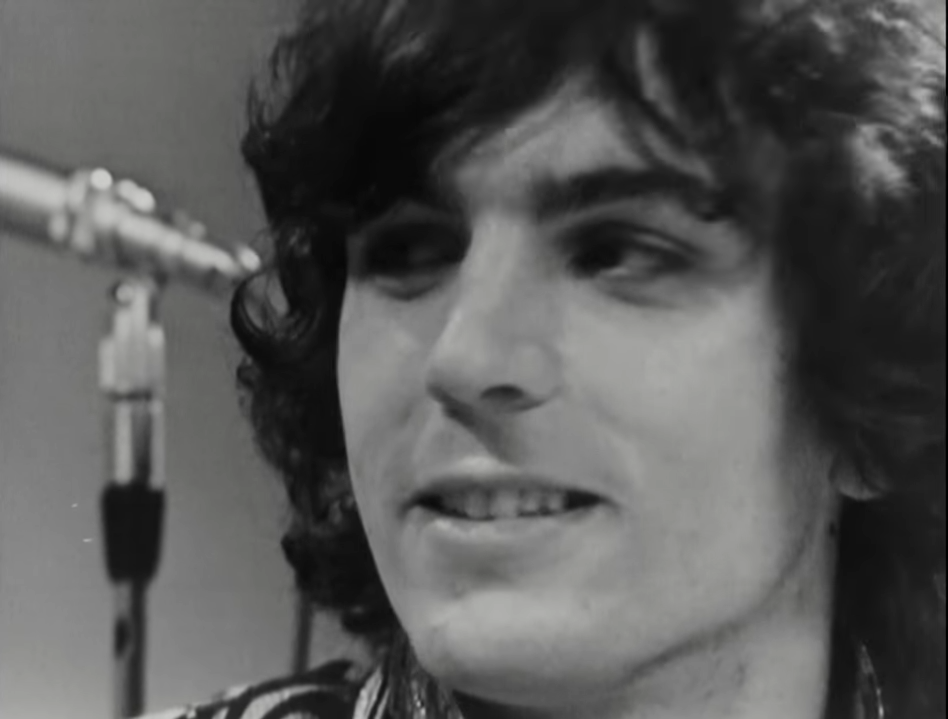
Classical music critic Hans Keller interviews Roger Waters and Syd: “Why does it have to be so loud?” Syd is lucid and engaged: you can tell by the way he leans into Hans Keller.
Pink Floyd performs its first hit See Emily Play. It is coupled with Pink Floyd’s lip-synching Apples and Oranges on Dick Clark’s American Bandstand. Notice the blankness in Syd’s eyes. It’s telling how Dick Clark walked past Syd to engage Richard Wright instead.
Syd and Pink Floyd perform Jugband Blues. The opening lyrics are: “It’s awfully considerate of you to think of me here | And I’m much obliged to you for making it clear | That I’m not here.” Was Syd self-aware of his breakdown?
Dr. Todd Grande dismisses the theory that psychedelics cause schizophrenia, as it is based on old research. He works on the premise that Syd Barrett had schizophrenia, and Syd might have used psychedelics to self-medicate. Or maybe there wasn’t any connection between psychedelics and schizophrenia, after all. 🤔




 Cold Cream 'n' Roses
You must be logged in to post a comment.